

Long term storage becomes necessary when inventory needs to be held securely for extended periods without constant movement. This could include reserve stock, slow moving products, archived materials, or items waiting for future demand. The challenge lies in keeping these assets protected while controlling costs over time. Long term storage services are designed to strike that balance, ensuring inventory remains safe, accessible, and financially manageable.
Many businesses turn to long-term storage services when short term solutions are no longer practical. Extended storage requires more planning and structure because small inefficiencies can become costly when repeated month after month. A well managed long term approach focuses on protection, consistency, and cost awareness rather than speed alone.
Consistent monitoring systems
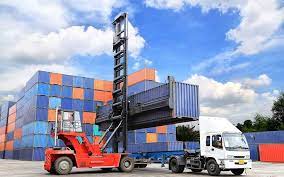
Monitoring is essential when inventory stays in storage for long durations. Consistent monitoring systems ensure that conditions remain stable and assets are not overlooked. Regular checks help identify issues early, before they result in damage or loss.
Monitoring also provides visibility. Businesses gain reassurance knowing their inventory is being observed rather than left unattended. This oversight supports accountability and helps maintain quality over time.
Key advantages of consistent monitoring include
- early detection of environmental issues
- reduced risk of unnoticed damage
- ongoing visibility into asset condition
- stronger confidence in storage reliability
Stable storage plans
Long term storage works best when plans are stable and predictable. Stable storage plans define where inventory is placed, how it is accessed, and how often it is reviewed. This structure prevents unnecessary handling that can increase wear or risk.
Clear plans also help control costs. When storage layouts and access routines are defined, labor and movement remain efficient. Stability reduces the need for frequent reorganization, which can become expensive over time.
Full access protocols
Even when inventory is stored long term, access should never be complicated. Full access protocols ensure businesses can retrieve items when needed without disruption. Clear procedures define how inventory can be accessed safely and efficiently.
Accessible storage supports flexibility. Businesses can respond to unexpected demand or changes in strategy without delays. Access protocols balance protection with usability, keeping inventory both safe and functional.
Risk reduction measures
Risk increases with time if protective measures are not in place. Long term storage services focus on minimizing risks related to damage, loss, or deterioration. These measures protect asset value throughout the storage period.
Risk reduction often involves
- secure storage zones
- controlled handling procedures
- environmental safeguards
- documented storage standards
When risks are managed proactively, inventory remains reliable and usable even after long periods.
Cost efficiency over extended durations
Cost control is critical in long term storage. Services are designed to keep expenses predictable and aligned with actual usage. Efficient space utilization and reduced handling help keep costs in check.
Long term efficiency allows businesses to plan budgets accurately. Instead of dealing with fluctuating expenses, storage costs remain stable. This predictability supports better financial planning and reduces operational stress.
Long term storage services balance cost and asset protection by combining structure, monitoring, and efficiency. Through stable plans, consistent oversight, clear access, risk reduction, and cost control, inventory remains secure without becoming a financial burden. When long term storage is managed thoughtfully, businesses protect their assets while maintaining flexibility and confidence over extended timeframes.